Prepared by: AsiaQuartz Editorial Team
Technical review by: AsiaQuartz Product, QC & Supply Chain Team
Last updated: July 2026
In brief
- Use remote due diligence to build a documented evidence file, not to create a false sense of certainty.
- Run the process in sequence: legal and product documents, buyer-directed live video, traceable samples and fabrication checks, then independent inspection for the pilot order.
- Apply a pass, hold or stop decision after every phase. Do not let an attractive sample or low price override an unresolved entity, product, origin or documentation gap.
- A remote review can screen and verify many facts, but it cannot prove future batch consistency, legal origin treatment or the condition of every slab in an order.
Remote Due Diligence Is an Evidence Process, Not a Virtual Factory Tour
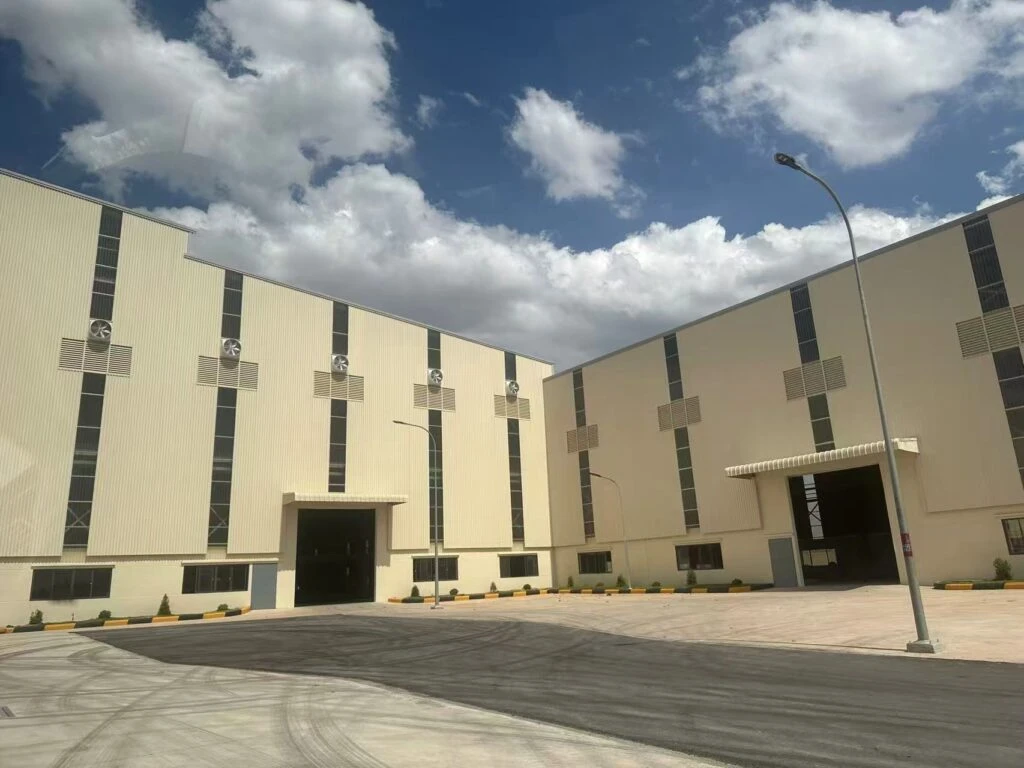
First, a factory visit can reveal material handling, housekeeping, maintenance discipline and day-to-day operating behavior. When travel is not practical, the strongest alternative is not a longer marketing video. Specifically, it is a structured evidence process that cross-checks the supplier’s legal identity. Manufacturing site, product claims, process records, samples and shipment controls.
First, the sequence matters. Documents establish what the supplier is claiming. A live video call tests whether the plant and process are consistent with those claims. Specifically, traceable samples test the product. Independent inspection tests the pilot order against the written specification.
First, this guide is designed for importers, distributors, fabricators and project buyers purchasing quartz slabs or related engineered surfaces. For broader supplier scoring, use the Quartz Slab Supplier Evaluation Framework. When you are ready to request comparable quotations, use the Quartz Slab RFQ Template.
What Remote Due Diligence Can and Cannot Establish
| What it can support | What it cannot prove by itself |
|---|---|
| Whether the contracting entity, bank beneficiary, exporter, factory and document issuer are identified and their relationships are explained. | That the factory shown on screen will manufacture every slab in the future order. |
| Whether product reports identify the quoted SKU, sample, method, laboratory, result and report coverage. | That a small sample represents full-slab pattern behavior, every permitted production variation or future replenishment batches. |
| Whether a live walkthrough is broadly consistent with the declared production route and equipment list. | Normal line performance, maintenance discipline or operator behavior over an extended production period. |
| Whether an independent inspector observed the agreed quantity, dimensions, surface condition, labels, packing or loading at a stated time. | The condition of uninspected slabs, events after inspection or the quality of later orders. |
| Whether the supplier’s product, process and shipment records are internally consistent enough for further review. | A binding customs, trade-remedy, legal or regulatory determination. |
First, Do not treat a pre-recorded factory tour as verification. It can be useful background. But evidence for due diligence should be current, tied to the supplier and product under review, and responsive to buyer-directed questions.
Phase 1: Reconcile the Legal, Commercial and Product File
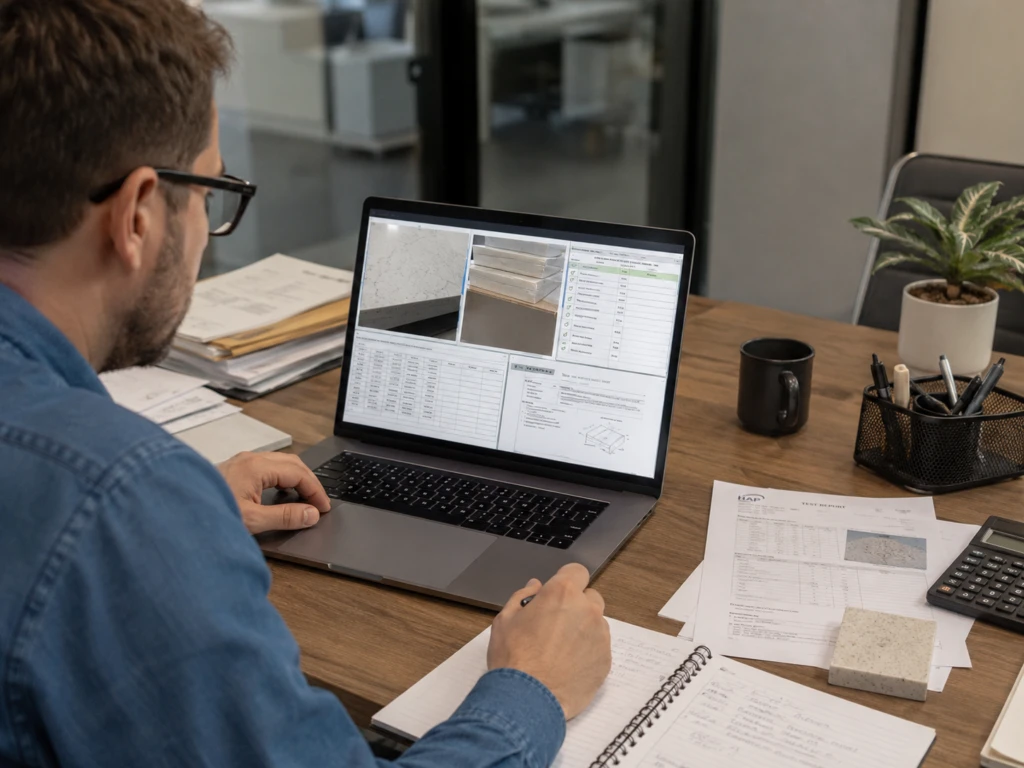
First, request documents before samples. The objective is not to collect the largest possible document folder. Specifically, it is to determine whether the supplier’s legal identity, commercial identity, manufacturing route and product claims form one coherent file.
Verify the Supplier, Payment and Certification Chain
First, start by confirming who will contract, invoice, receive payment, manufacture, export and issue supporting documents. Separate legal entities are common in international supply chains. But their roles and relationships should be disclosed before the buyer advances the order.
| Evidence | What to verify | Hold or escalation trigger |
|---|---|---|
| Legal-entity record | Registered name, address, status and permitted activities in the relevant jurisdiction. Use the appropriate official registry where available. | Entity cannot be located, is inactive, or differs from the quotation without an explained relationship. |
| Commercial identity | Contracting entity, invoice issuer, bank beneficiary, exporter, manufacturing plant and certificate issuer. | Payment is requested to an unrelated entity or individual, or roles remain unclear. |
| Quality-management certificate | Certificate holder, site, scope, validity, certification body and accreditation route. A certificate supports system review; it does not prove the quality of the order. | Wrong site or activity, expired certificate presented as current, or unverifiable issuer. |
Connect Product Claims to the Quoted SKU and Manufacturing Route
After the entity chain is clear, verify that technical reports, silica claims. Origin records and shipment evidence apply to the product and production route being quoted. A valid document for another SKU. However, factory or formulation should not be treated as proof for the current order.
| Evidence | What to verify | Hold or escalation trigger |
|---|---|---|
| TDS, SDS and product reports | Exact SKU or formulation, production site, test method and edition, sample identity, measured result, date and report coverage. In-house data can support process control; use independent evidence for critical claims where appropriate. | Generic brochure values, unrelated sample, missing method, or a report that cannot be connected to the quoted product. |
| Crystalline-silica claim | Quantitative result for the quoted product, laboratory, analytical method, sample preparation, reporting basis and detection or quantification limit. | Marketing statement only, elemental silicon data presented as crystalline-silica content, or no link to the current SKU. |
| Origin and process file | Manufacturing address, process map, input and semi-finished material flows, production records, exporter/producer relationship and shipment documents. | Only a blank certificate template, unexplained third-country processing or inconsistent plant and exporter records. |
| Export and shipment evidence | Redacted bill of lading, export declaration, packing list or inspection record from a comparable shipment, where confidentiality permits. | Export experience is claimed but no relevant evidence or credible alternative can be provided. |
Resolve Critical Gaps Before Samples or Payment
Important laboratory-method boundary
First, nIOSH Method 7500 is a workplace-air analytical method for crystalline silica collected on filters; it is not a universal certification method for the bulk composition of a finished slab. For a product-content claim, ask a competent laboratory to define and document a suitable bulk-material method. Specifically, sample preparation and reporting basis for the product and jurisdiction.
First, agree a response deadline appropriate to the transaction, then record missing items as open actions. A slow or incomplete response is not automatic proof of misconduct. The decision point is whether critical facts can be resolved before money, production or shipment is released.
Phase 2: Run a Buyer-Directed Live Video Verification
First, schedule a live call with the supplier’s consent to record or capture still images. Ask the presenter to show the current date, site address or another agreed reference at the start. Specifically, do not rely on the call alone; compare what you see with the entity, equipment and process file from Phase 1.
Suggested Walkthrough Sequence
- Site identity and entrance: confirm the address, company name and relationship between the site and contracting entity.
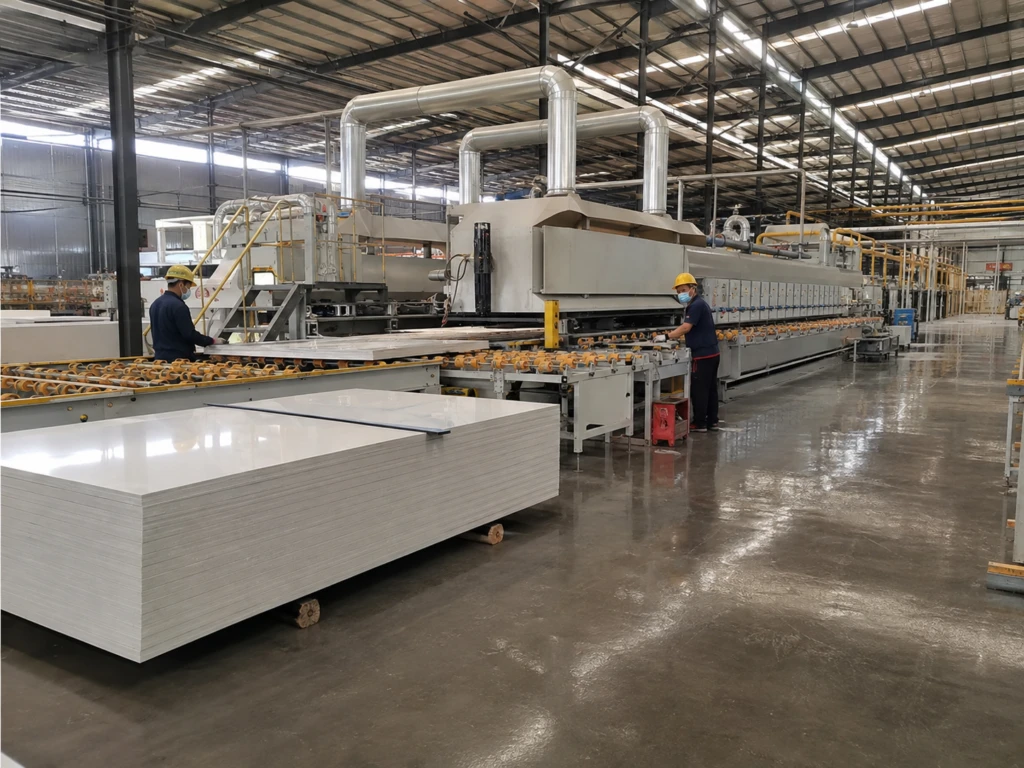
- Raw-material storage and batching: look for identification, segregation, covered storage, weighing controls and a current or redacted batch record.
- Mixing and forming: confirm the declared equipment and observe an active or recently completed production step where practical.
- Curing and calibration: ask how process parameters are monitored and recorded. Confidential set points can be redacted; the existence of control and records is the key evidence.
- Polishing and finishing: observe surface inspection, thickness control, edge condition and handling between machines.
- QC and non-conforming product control: ask to see inspection records, status identification and the area or method used to segregate hold, rework, downgrade or reject material.
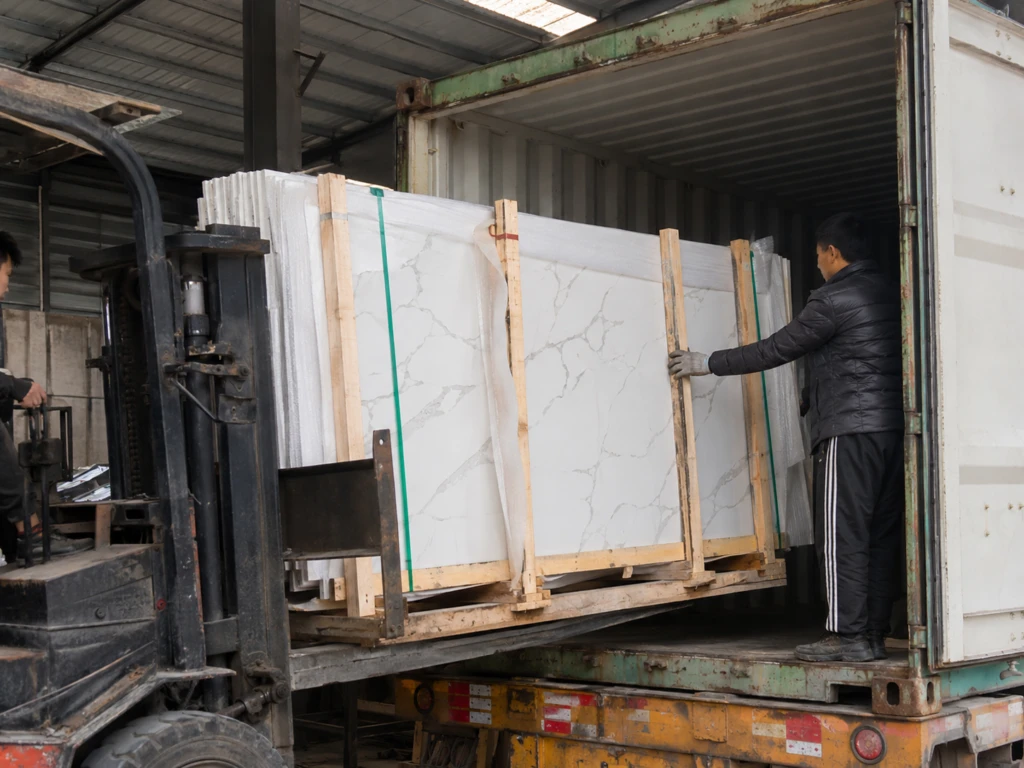
- Finished goods, packing and loading area: verify batch labels, storage method, protective materials and the proposed export packing route.
First, do not treat one visual cue as a verdict. An idle press can reflect maintenance, a product change or the production schedule; a clean line can reflect good housekeeping or preparation for the call. Specifically, ask for the reason, request supporting records and record the answer. The value of video verification is the ability to cross-check evidence. In particular, not to diagnose a factory from sound, cleanliness or body language.
Unexpected but Reasonable Cross-Checks
- Ask to see one area not emphasized in the supplier’s presentation, such as maintenance, retained samples or non-conforming material control.
- Ask the presenter to locate a finished slab or rack using a batch or product code selected during the call.
- Compare the equipment nameplate or line layout with the equipment list, while respecting legitimate confidentiality and safety limits.
- Record every item that could not be shown and the reason given; resolve it through documents, a later call or an independent audit.
Phase 3: Verify a Traceable Sample and Fabrication Behavior
First, a sample is evidence only when its identity and limitations are understood. Request one of the following, depending on the risk: a retained sample from a normal production batch. A sample cut from an identified full slab. Or a pilot-production sample made to the approved specification. Record the production date, batch, SKU, finish and sample dimensions.
Use a staged review:
- Identity and condition: check label, packaging, chain of custody and any visible shipping damage.
- Visual and dimensional review: compare color, pattern scale, finish, thickness and edge condition with the approved criteria. A small sample cannot establish full-slab layout, repetition or batch consistency.
- Fabrication mock-up: where the project involves sink cut-outs, mitred edges, profiling or special adhesives, test the relevant operation on the actual product.
- Risk-based independent testing: select only the properties that affect the destination requirement, application or supplier claim. Ask an ISO/IEC 17025-accredited laboratory, where appropriate, to confirm that the method is within its accredited scope.
First, obtain a laboratory quotation before fixing the scope. Test cost and lead time depend on the product, sample preparation, methods and reporting requirements. Specifically, independent testing should verify critical claims, not create an expensive list of unrelated results.
For full-order QC planning, use the Quartz Slab QC & Packing Guide and the Quartz Slab QC Photos Before Shipment checklist.
Phase 4: Use Independent Inspection for the Pilot Order
First, independent inspection providers—including global firms such as SGS, Bureau Veritas and Intertek. As well as qualified regional specialists—can perform factory audits, in-process checks, final inspections and loading supervision. Specifically, select the provider and inspector based on the required scope, location, independence and experience with slabs or heavy building materials.
First, do not book a generic inspection. Issue a written instruction package containing:
- purchase order and approved product specification;
- approved sample, full-slab reference and permitted variation rules;
- measurement methods, tolerances and sampling plan;
- surface-defect definitions and acceptance criteria;
- batch-label, packing and documentation requirements;
- photo and video evidence requirements; and
- release, hold and escalation instructions.
First, choose the inspection stage according to the decision you need to make. An in-process inspection is useful when there is still time to correct systemic problems. A final inspection should occur when the agreed quantity is sufficiently complete and packed to support the sampling plan. Specifically, loading supervision is a separate control for container condition, quantity, securing and seal records.
First, an inspection report documents what was observed under a defined scope and sample. It is not insurance and does not guarantee uninspected pieces, later handling or future orders.
Mandatory Gates Before a Pilot Order
| Gate | Pass evidence | If unresolved |
|---|---|---|
| Entity and payment identity | Contracting, factory, exporter, bank and document roles are documented. | Do not pay or release the order. |
| Technical fit | Exact specification or approved deviation is confirmed in writing. | Hold price comparison and sample approval. |
| Critical product claims | Product-specific evidence supports silica, performance or destination claims. | Treat the claim as unverified. |
| Manufacturing and origin route | Process and shipment facts are sufficient for professional review. | Obtain customs or legal review before relying on duty treatment. |
| Inspection access | Supplier accepts an agreed independent inspection and release protocol. | Escalate the risk or select another supplier. |
Warning Patterns That Require Clarification
- Different company names appear across the quotation, bank account, factory, certificates and test reports without a documented relationship.
- The supplier repeatedly substitutes generic brochures or blank templates for product-specific records.
- A live call is refused without a reasonable confidentiality, safety or scheduling explanation, while only edited marketing clips are offered.
- The sample cannot be linked to a batch, product code or production date.
- Critical test results differ materially and the supplier will not investigate the sample, method or report coverage.
- Independent inspection is rejected, or the supplier attempts to control the inspector, sampling or release decision.
First, ask neutral, specific follow-up questions and document the answer. A single gap may be explainable. A pattern of unresolved identity. Product and process gaps should keep the supplier outside the approved shortlist.
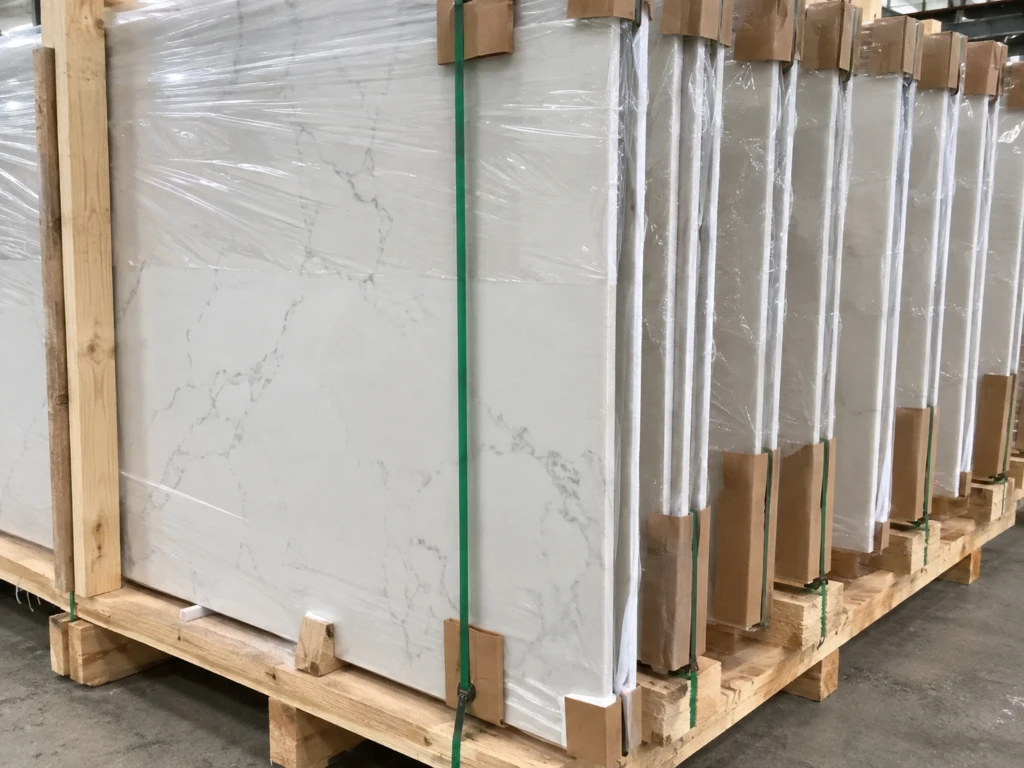
How Remote Review and an On-Site Audit Work Together
First, remote due diligence is strongest as prequalification. It removes weak candidates, creates a written baseline and tells an on-site auditor exactly which facts remain unresolved. A later factory visit can then focus on operating discipline. Specifically, line performance, cross-contamination controls, maintenance, normal shift conditions and the gap between records and practice.
First, where travel is not possible, combine this framework with an independent factory audit. Risk-based product testing, in-process inspection, final inspection and loading evidence. Specifically, that combination is more defensible than relying on a sample, a brochure and a price spreadsheet.
Conclusion: Build the Evidence File Before the Order
First, the objective is not to prove that a supplier is perfect. It is to reduce avoidable uncertainty before you commit money and to define the controls that remain necessary after the order is placed.
- Reconcile identity and documents.
- Cross-check the declared process through live video.
- Approve a traceable sample and relevant fabrication mock-up.
- Use independent inspection for the pilot order.
- Keep unresolved legal, origin and product claims on hold.
First, every sourcing situation is different. Request a supply review to discuss your product. Destination market, evidence requirements and pilot-order controls with the AsiaQuartz team.
How this article was prepared
- Framework: adapted from international B2B supplier due diligence, laboratory competence, product inspection and engineered-surface procurement controls.
- Evidence boundary: documents, video, samples and inspection are treated as scoped evidence rather than guarantees.
- Trade boundary: customs origin, AD/CVD scope and duty treatment are transaction-specific and require current professional review.
- Limitations: the checklist does not replace an on-site audit, contractual protections, laboratory advice, customs advice or legal review.
Information status: Public sources reviewed through August 6, 2026.
Sources and references
- ISO/IEC 17025:2017 — competence of testing and calibration laboratories
- NIOSH — crystalline-silica exposure assessment and Method 7500 context
- U.S. Department of Commerce — AD/CVD scope guidance
- SGS — pre-shipment inspection
- Bureau Veritas — testing, inspection and certification services
- Intertek — product inspection services
First, Information status: Regulations, tariff treatment, customs classification, product availability, production routes and commercial terms may change. Review the specific transaction with the relevant laboratory, customs broker, inspector and legal or technical professionals.
Related Reading
- Compare Quartz Slab Suppliers: B2B Evaluation Framework
- Quartz Slab RFQ Template for Comparable Quotes
- Quartz Slab Supplier Selection Guide
- Quartz Factory Production Lines and Equipment
- Quartz Slab QC & Packing Guide
- Quartz Slab Supply Chain Guide
FAQ
First, no. It can screen suppliers, reconcile documents, test product claims and add independent inspection evidence. It cannot fully reproduce normal operating conditions, relationship-building or the observations available during an on-site audit.
First, there is no universal timeline. Document readiness, time zones, sample shipping, laboratory scope and inspector availability all affect the schedule. Specifically, set target dates for each phase, but do not shorten critical reviews simply to meet a planned order date.
First, no. Some records contain confidential formulations, customer information or process data. Ask whether a redacted version, screen-share, third-party verification or alternative evidence can resolve the same question. Specifically, keep the issue on hold if the critical fact remains unverified.
First, no. Testing should be risk-based. A new product, regulated destination or critical silica claim may justify independent testing. While a repeat order with stable product-specific evidence may require only targeted verification. Specifically, define the properties that affect the order before asking the laboratory for a scope.
First, starting with an attractive sample before confirming who is selling. Who is manufacturing, what product was tested and what evidence will control the order. Specifically, resolve identity and product documentation first; then use the sample to verify the agreed product.